
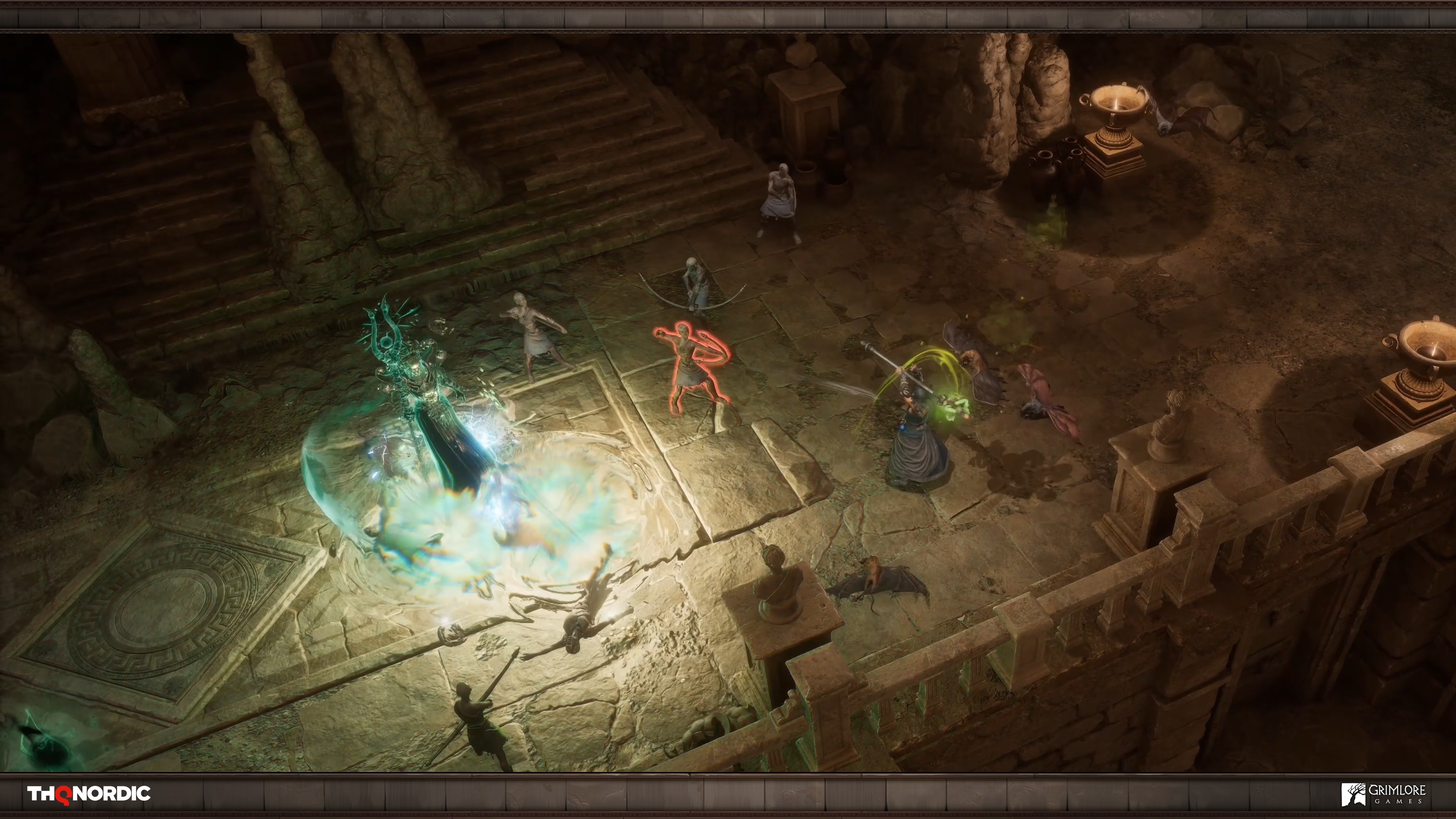
Titan Quest II has a target date for its full PC release. In a September 23 announcement, THQ Nordic said Grimlore Games’ action RPG is scheduled to leave Early Access on January 19, 2027. The PC game is playable in Early Access now; version 1.0 has yet to launch.
The useful distinction for players is between the game’s current systems and the complete release the publisher is promising. The announcement says Early Access updates have added lands, powers and loot, but it does not provide a final content count. The crafting feature already available and an official Warfare–Spirit build give a clearer picture of the decisions players can make while development continues.
What the PC Release Date Means
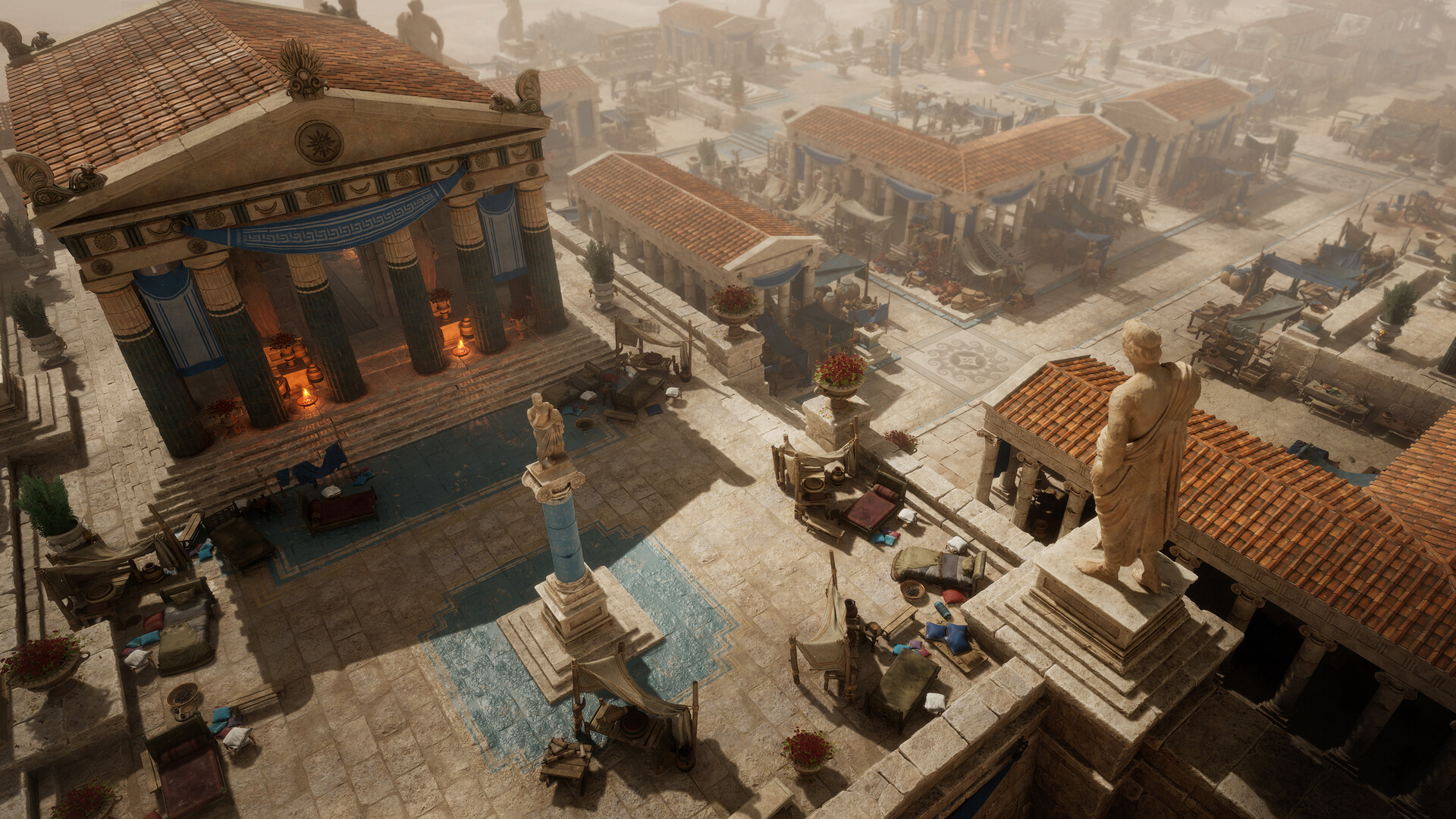
Image: Grimlore Games / THQ Nordic · Source
January 19 is the planned point at which the Early Access work comes together as the full PC game. Starting before then means playing the version currently available. THQ Nordic gives a suggested US price of $49.99 for the full PC release. Its announcement supplies neither a euro price nor a console release date.
The publisher’s broad account of additions made during Early Access is not a breakdown of everything due at launch. It does not establish a final number of acts or masteries, or say what will happen to existing saves. The mechanics already documented offer firmer grounds for deciding whether to begin now.
Crafting Starts With Loot You Find
Grimlore Games’ August crafting feature is already in Early Access. It changes found equipment rather than creating an item from scratch. That makes the starting item matter: each repeat attempt raises material and gold costs, eventually making another base item a more sensible prospect.
The four actions address different shortcomings. Reforge rerolls the value of one selected affix within a displayed range, and only one affix per item can be treated this way. Replace changes one unwanted affix, with possible replacements limited by the prefixes or suffixes that item could naturally roll. Add fills an open affix slot if the item has fewer than its possible maximum; it has its own limits on eligible affixes and a higher starting cost that includes the drop-only Vital Flame.
Upgrade is a one-time increase to item level, improving base properties and affix tiers. A cap on the latter means an early find cannot simply become the equivalent of a much later drop. The action also works on epic items. It can extend the usefulness of a strong find without removing the reason to keep hunting for gear.
Repeated crafting affects what you do with unwanted loot. Enemies drop some materials, but salvaging supplies most of them, so selling every spare item will leave fewer resources for further attempts. Later crafting steps require harder-to-obtain materials. The same developer post places proposed epic-to-legendary crafting, charm and relic upgrades, and artefacts after release; they should not be treated as January 19 features.
A Developer Revenant Build Shows the Tradeoffs
Grimlore Games’ Blessed Beam Revenant example combines Warfare and Spirit around Deathward Beam. Its Energy Siphon and Soulburn choices increase the beam’s power while consuming Shades and much more energy. The developers avoid summons in this setup so those Shades remain available for the beam. It is a concrete example of how combining masteries can create competing demands on one resource.
The example also uses Death’s Door for damage while reserving health, then invests in Layered Veil and Barrier for protection. War Banner, Soul Vortex and Doom Horn set up enemies before the beam; Soul Vortex supplies another Shade. Energy and Shades must be replenished between bursts. The payoff depends on managing that cycle, not simply equipping a powerful skill.
Our Spirit guide explores the wider Shade and summon choices. The Revenant is the developers’ illustration of current mastery interactions, not a build we have playtested or a promise that its details will remain identical in version 1.0.
Sources
- steamcommunity.com
- steamstore-a.akamaihd.net
- steamstore-a.akamaihd.net
- steamstore-a.akamaihd.net
- store.steampowered.com
Cover Image: Grimlore Games / THQ Nordic · steamstore-a.akamaihd.net
Comments
No comments yet. Start the conversation.
Join the Community
Sign in or create a free account to comment. Comments are moderated.